While schools were on holiday, thousands of young Kwarans were learning new skills, exploring technology, developing their creativity and discovering new possibilities for the future. For children and young people, the long vacation was often a welcome pause from the routines of school. It was a time for rest, play, family visits and, occasionally, the familiar refrain of “I’m bored.”
But across Kwara State this summer, the break from school did not mean a break from learning. Instead, the 2026 summer period brought together a range of programmes designed to keep young minds engaged, curious and connected to opportunities beyond the traditional classroom.
From the Kwara State Education Trust Fund (KwaraETF) Summer School, to the Ilorin Innovation Hub Summer Tech Camp and the Kwara Coding and Digital Literacy Summer Edition, children and young people across the state spent part of their holiday learning, creating, experimenting and developing skills for the future. Though different in focus and delivery, the three initiatives shared an important idea: education did not have to stop when school closed.
A Summer of Possibilities
The long vacation created a unique space in a child’s educational journey. Without the immediate demands of examinations and school timetables, children were able to explore interests that did not always fit neatly into the conventional curriculum. They learnt through making things with their hands, expressing ideas, solving problems, working with others and discovering technologies that were shaping the world around them. This summer, that opportunity took different forms across Kwara.
Some students explored leadership, entrepreneurship and practical vocational skills. Others were introduced to coding, artificial intelligence and digital creativity. For participants in the state’s Coding and Digital Literacy Programme, the holiday offered an opportunity to deepen skills acquired earlier in the year and take their learning further. Together, these programmes offered a glimpse into what a more expansive approach to education could look like.
Learning Beyond Examinations: The KwaraETF Summer School
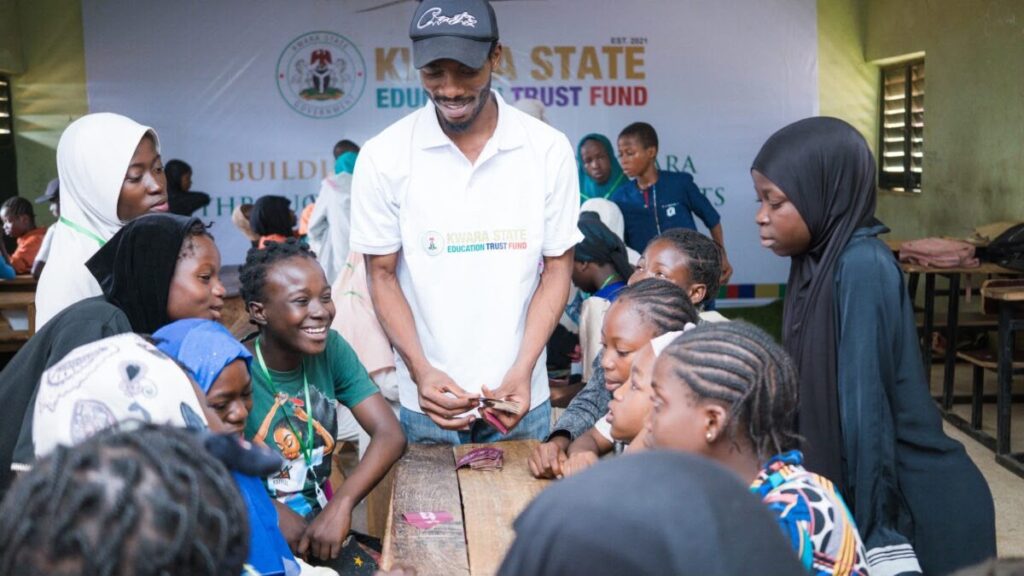
At the KwaraETF Summer School 2026, learning took on a broad and practical dimension. The five-week programme, held from August 4 to 25 at Government Day Secondary School, Oke Aluko, Ilorin, brought together academic enrichment, leadership development, public speaking, entrepreneurship, digital literacy and vocational skills. Implemented through Project TutorED in partnership with She Builds Lives Foundation, with support from the Evergreen Initiative and Saleeman Adedoyin Saleeman Foundation, the programme recorded 204 registrations, 150 enrolled participants and 120 successful completers.
The programme combined familiar academic subjects such as Mathematics, English Language, financial literacy and civic education with opportunities for students to explore practical and creative skills. Participants engaged in bead making, soap making, arts and crafts, tie and dye and other vocational activities. These sessions were not simply about learning how to make products. They encouraged creativity, patience, collaboration and an understanding that practical skills could also open doors to enterprise and self-expression.
Leadership and communication formed another important part of the programme. Through public speaking sessions and an inter-cohort debate championship, students were challenged to research ideas, articulate their positions and engage confidently with others. The winning team, Cohort B1, representing Bead Making, argued in support of the motion that artificial intelligence and digital tools would improve African education faster than traditional school reforms. It was a fitting debate for a generation growing up in a rapidly changing technological environment.
At the programme’s conclusion, students showcased products created during their practical sessions, with some sold and others presented to parents. Certificates were also presented, alongside recognition for outstanding participants. For KwaraETF, the Summer School demonstrated that meaningful education extended beyond academic performance alone. It was also about developing confidence, creativity, communication and the ability to apply knowledge in practical ways.
From Curiosity to Creation: The Ilorin Innovation Hub Summer Tech Camp
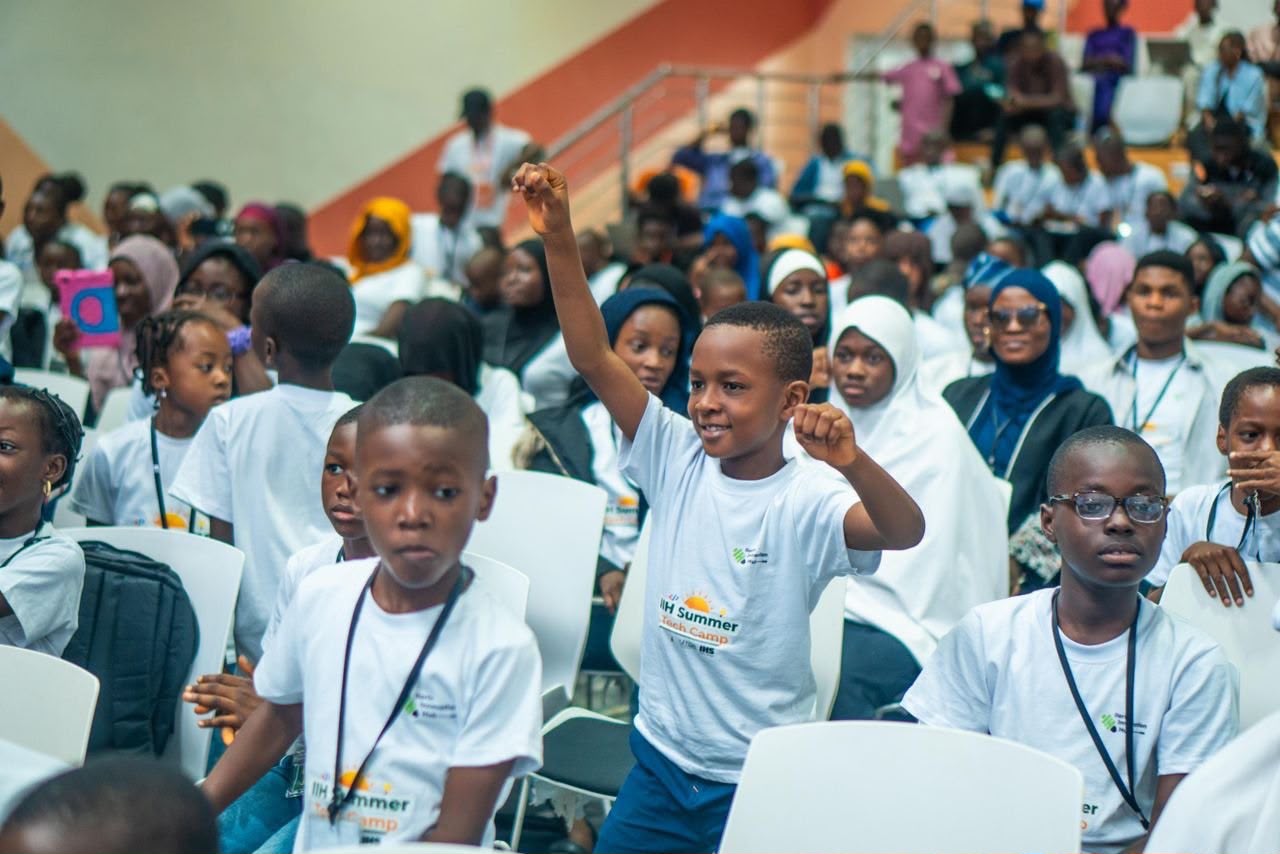
Technology also took centre stage during the holiday through the Ilorin Innovation Hub Summer Tech Camp. Powered by the Kwara State Government and NITDA Nigeria, the free, week-long programme brought together children and teenagers between the ages of six and sixteen. The camp was designed to introduce young participants to coding, artificial intelligence, digital creativity, web development and problem-solving.
Participants were divided into two groups: Junior Innovators, for children aged 6–10, and Young Innovators, for those aged 11–16. The structure allowed learners to engage with technology at an age-appropriate level while encouraging them to explore, experiment and think creatively. Rather than approaching technology solely as something to be consumed, the programme encouraged participants to see themselves as creators. Through practical activities and project-based learning, children were guided to apply what they learnt and develop ideas that were presented at the end of the camp.
The programme culminated in a product showcase, where participants demonstrated projects developed during the training. Outstanding projects received recognition through laptop and tablet prizes, while eligible participants received certificates of completion. For many of the young participants, the experience offered an early introduction to a world where technology was not just a tool for entertainment or communication, but also a means of building solutions and expressing ideas.
Building on What Comes Next: The Kwara Coding and Digital Literacy Programme
While the Innovation Hub Summer Tech Camp offered an introduction to technology and innovation, the Kwara Coding and Digital Literacy Programme provided a more sustained pathway into digital skills development. The 2026 Summer Edition, implemented through the Office of the Senior Special Assistant on Digital Innovations, ran for six weeks, from Monday, August 3 to Friday, September 11, 2026.
Importantly, the Summer Edition was not a standalone programme with fresh registration. It was a continuation of the broader 2026 Coding and Digital Literacy Programme, allowing students already enrolled to build on their previous learning and continue their progression. The wider programme had reached over 5,800 students across 54 public schools in all 16 Local Government Areas of Kwara State. The 2026 summer edition specifically engaged over 619 students across 20 public schools. That continuity was significant. Rather than treating digital education as a one-off holiday experience, the programme provided learners with an opportunity to develop their skills progressively over time.
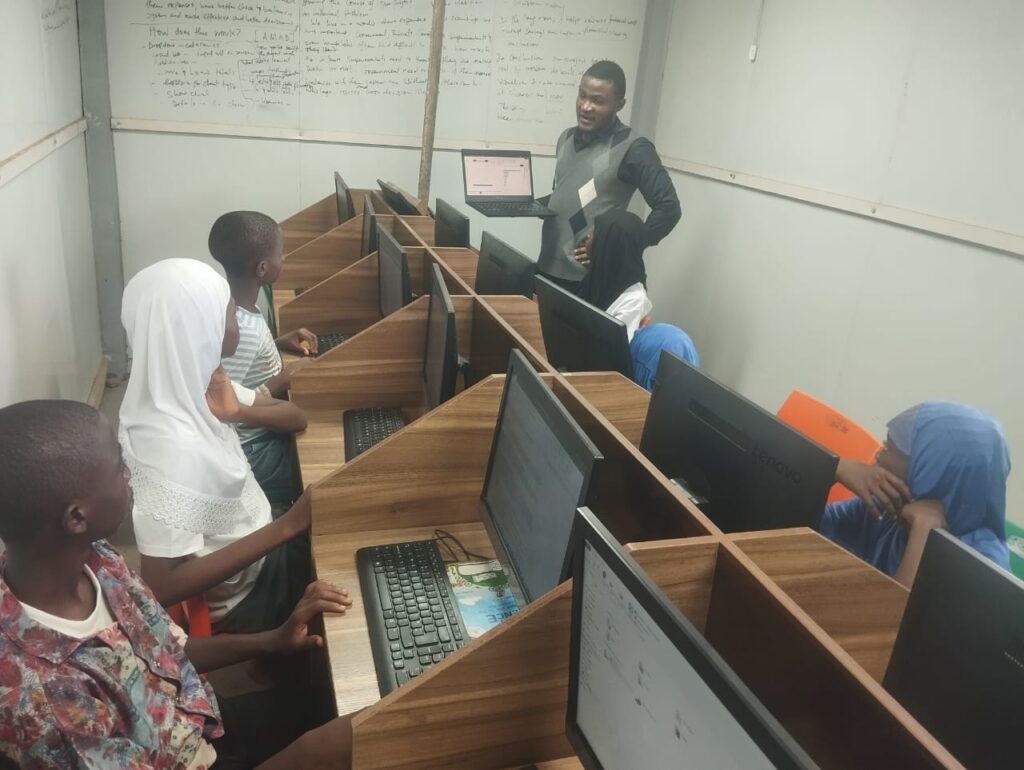
The curriculum went beyond basic computer literacy. Students engaged with Python programming, web development, software development, computational thinking, cybersecurity, HTML, CSS, JavaScript and Microsoft Excel. They were also introduced to artificial intelligence, innovation and problem-solving. The programme placed particular emphasis on practical application. Students learnt through projects, moving beyond understanding concepts to actively building, creating and solving problems with technology. Facilitators included professionals supported by implementing partners such as KidsTech Africa and W.TEC, with ongoing Training of Trainers sessions and monitoring mechanisms designed to ensure quality and consistency in delivery.
The Summer Edition culminated in a Grand Project Exhibition, where students showcased digital solutions, software applications and AI-powered projects developed during the training. The broader ambition was clear: to support the development of a generation of young Kwarans who were not only comfortable using technology, but capable of creating with it.
Different Programmes, One Expanding Vision
The three summer initiatives differed significantly in their approach. The KwaraETF Summer School brought together academic development, leadership, creativity and practical vocational skills. The Ilorin Innovation Hub Summer Tech Camp introduced children to technology, coding and innovation through hands-on exploration. The Kwara Coding and Digital Literacy Programme offered a structured and progressive pathway into programming, digital skills and emerging technologies.
Yet, collectively, they pointed to a broader shift in how education was being understood. Education was no longer confined entirely to classrooms, textbooks and examinations. Those remained fundamental. But the world today’s children were preparing to enter demanded more. It demanded creativity, critical thinking, adaptability, communication, collaboration and digital competence. These abilities were developed not only through memorisation, but through opportunities to ask questions, try new things, solve problems and apply knowledge.
A student participating in a debate developed confidence and communication skills. A child learning bead making or soap production discovered the value of creativity and practical enterprise. A young person building a website began to understand how digital systems worked. Another student exploring artificial intelligence began to engage with technologies that would increasingly shape education, work and society. Each experience offered something different. Together, they expanded what children could imagine for themselves.
The Importance of Exposure
Not every child who learnt to code would become a software engineer. Not every participant in an entrepreneurship session would become a business owner. Not every student who discovered public speaking would pursue it professionally. But exposure mattered.
Sometimes, discovering one’s potential began with simply being given the opportunity to try something new. A child might discover an interest in technology because someone introduced them to coding. A student might develop confidence because they were encouraged to speak before an audience. Another might discover entrepreneurial possibilities through a practical skill learnt during a holiday programme. The immediate outcome might be a certificate, a completed project or a new skill. The long-term impact could be something much greater.
It could influence future educational choices, career aspirations or the confidence to pursue opportunities that once seemed unfamiliar. That was why learning opportunities outside the conventional school calendar mattered. They created room for discovery.
A Collaborative Approach to Learning
The summer programmes also highlighted the importance of collaboration in building a stronger educational ecosystem. Government institutions, foundations, development partners, technology hubs and education-focused organisations each brought different expertise and resources to the table. When these efforts complemented one another, children benefited from a wider range of experiences. The result was an educational environment where academic learning could exist alongside creativity, technology, practical skills and innovation.
For Kwara State, this broader approach aligned with the growing recognition that human capital development must prepare young people for both the opportunities and challenges of the future. The summer period provided a visible example of what this could look like in practice. Different institutions created different pathways for children to learn. Some focused on academic enrichment. Others on digital transformation and innovation. Others on practical skills and leadership. But all contributed to the same larger objective: helping young Kwarans develop the knowledge, skills and confidence to navigate the world ahead.
Beyond the Classroom
Summer vacation should always leave room for rest, play and family. But it could also be a period of discovery. For the children and young people who participated in Kwara’s summer programmes this year, the holiday offered opportunities to explore unfamiliar interests, develop practical abilities and engage with ideas and technologies that could shape their futures.
The impact of such experiences might not always be immediately measurable. A coding lesson might spark an interest that developed years later. A debate might build confidence that changed how a student participated in school. A practical skill might become the foundation for future enterprise. What mattered was that the opportunity existed.
As the new academic session began, many young Kwarans returned to school carrying more than books and uniforms. They returned with new experiences, new skills and perhaps a broader understanding of what they were capable of becoming. Because education did not have to stop when school closed. Sometimes, it simply took a different shape. And this summer, across Kwara State, young people were given more opportunities to discover where learning could lead.